


Septic System Repair
A properly maintained septic system is essential to to value of your property and health of your family. Don't leave a problem unaddressed. Call the septic repair experts at ATS.
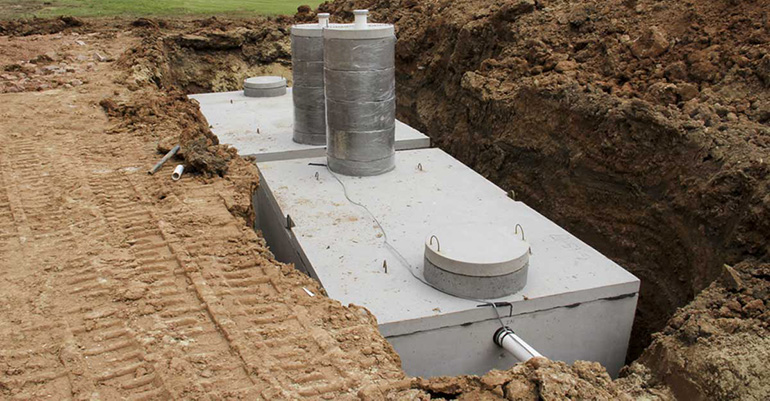
Septic System Repair in New Jersey
If you have a septic tank, you likely understand that it’s essential to keep it in good working condition. A septic system comprises various components that work together to process household wastewater. If something goes wrong with your septic tank, it can damage your property, cause health problems for your family, and cause expensive repairs. This guide will help you understand how to recognize when there is an issue with your septic tank and how to fix those problems before they become major ones.
The Ultimate Guide to New Jersey Septic System Repairs
Your home’s septic system is a complex part of your property. It processes your waste water and helps keep your drinking, washing, bathing, and cooking water clean. If something goes wrong with your septic system, it can result in damage to your property, health problems for your family, and expensive repairs.
If you’re interested in learning more about how to maintain or repair a septic system in New Jersey without breaking the bank on professional services every time there’s an issue (or even preventative maintenance), we have some tips that will put you on the right track!
Why Septic Tanks Matter
A septic tank is a filtration system for household wastewater. When used properly, it can effectively remove solids from the wastewater and separate out any remaining liquid into solid sludge and water. The solids are usually removed from the tank through an airlock, which allows air to enter but not exit during pumping. This helps release pressure buildup inside the septic tank so it doesn’t overflow into your home or yard when you pump it out.
The main function of a septic system is to keep contaminants out of your groundwater supply. If you live in an area that receives its drinking water supply from wells drilled into aquifers (underground layers of rock that hold water), then those wells are vulnerable to contamination by human waste products such as toilet paper fibers, grease and detergent residues. The bacteria found in these substances can cause nitrification within an aquifer over time if they’re not filtered out by some sort of treatment process before being released back into soil or groundwater supplies at large scale levels – something that’s difficult enough with municipal sewage treatment plants!
Parts of your septic tank that may break, deteriorate or stop working, including (but not limited to):
- Septic tank lid
- Septic tank cover
- Septic tank inlet and outlet
- Sewage ejector pump
- Leach field drain field
Common Septic Tank Problems
The most common septic tank related issue is leakage. This can happen with any part of the septic system. When there is a leak in your septic system, this is referred to as “seepage,” and it can occur anywhere in your home or yard.
The most common places for seepage are where pipes enter or exit the tank, cracks in concrete bases that support tanks, loose caps on drain lines (e.g., cleanouts), and cracked or damaged lids on manhole covers over inspection chambers in various parts of yard landscapes such as gardens and lawns around homes served by these systems (e.g., lawns).
The Dangers of a Faulty Septic Tank
While many homeowners may think of their septic tank as a drain for their sewage, it is much more than that. It is an important part of your home’s plumbing system, as well as a way to protect the health of those living in your home.
If your septic tank is not working properly, it can cause water to back up into your house. This can damage the foundation of your home and pose significant health risks to those you love and the natural environment around you.
How to Know if your Septic System is Working Properly
If you are purchasing a new home that has a septic system or if you already have one installed on your property, then it’s important for you to know how to recognize when the system isn’t functioning properly. Understanding how your system works will also help you understand what you need to do in order to maintain its health.
The best way to understand whether your septic system is working properly is to reach out to a reputable company in New Jersey to perform a thorough septic system inspection.
You can also ask yourself the following:
- Are the lids of your tank secure? If so, your septic system is likely working properly.
- Are there any cracks or holes in it that may allow waste water to escape? If so, you may need to call a septic repair company to repair your septic system.
- Does your septic tank have a cover over it, and does it appear to be secure? If so, your septic system is likely working properly.
There are certain signs that you can look for to determine if there is a problem with your septic system. This might include:
- Standing water above or around the leach field or drain field.
- Slow drainage from fixtures and appliances.
- Gurgling sounds from your toilets and drains between uses.
- Sewage odors inside and outside of the house near the drain field.
- Backups of sewage or wastewater into the house from any of the drains.
You’ll want to call a professional septic service provider immediately, such as ATS Environmental, if you notice these signs.
When you’re still not sure if your septic system needs repair or replacement, ask yourself:
- How old is my system? If it’s more than 20 years old, chances are good that you need an overhaul. Older systems were designed for smaller homes with fewer occupants. Today’s homes often include more bedrooms and bathrooms than older homes—and those extra fixtures mean more demand for water and wastewater services from your home’s plumbing system. That increased usage can put stress on older pipes, piping fittings and other components of both residential and commercial plumbing systems over time as well as take their toll on underground drainage ditches (also known as septic tanks). The result is often frequent repairs needed for leaking pipes under sinks or toilets that won’t stop running even after being repaired several times already by yourself or another plumber because they’re unable to get all the way down into deeper layers below where most clogs occur due either due lack proper tools needed access reach them correctly placed first place!
When the septic tank fills up, there is no longer enough room for the sludge and other waste products that are being pumped into it by your household appliances (like toilets and washing machines). When this happens, the level of liquid rises above what is known as “full depth,” which means that there won’t be any more room for additional waste within your tank until some of it can be removed from inside. This causes several problems: firstly, it could lead to sewage backing up through drains; secondly, because wastewater isn’t treated before being pumped back out into nature (as would happen with municipal sewer systems), harmful bacteria may end up polluting the groundwater supply surrounding nearby wells; thirdly – perhaps most importantly – pumping too much water into your septic tank at once can cause damage over time due to excess pressure within its walls; fourthly – even though we’re talking about an environmental hazard here – there could still be problems caused by an overflowing toilet bowl!
How to Repair Your Septic Tank
Save yourself the hassle of doing it yourself by hiring a septic service. This is someone who knows what they’re doing and can get the job done right.
Hire someone to clean out your leach field. If your system is old or has been neglected, there may be tree roots growing through it that need to be removed before you can have any repairs done.
Make sure all the connections are sealed correctly so there’s no leakage into your home or yard. A small leak can lead to bigger problems down the line!
Should I repair my septic tank or replace my septic tank?
There are a number of factors to consider when deciding whether or not to repair your septic system. Some homeowners may be able to save money by repairing their own septic systems, while others may find that it is less expensive to hire professionals for the job. If you’re not sure whether you should fix your septic tank, here are some questions that can help you determine if repairs are necessary:
- Is your system older than 10 years old? Septic tanks have an average lifespan of about 15 years and need regular maintenance over time. Additionally, there is no way to know how long yours will last until it stops working completely (or starts leaking). Older systems can become weak over time and start falling apart (leading them toward failure). The best way to determine whether or not repair would be beneficial is by having a professional take a look at your system before making any decisions on septic system replacement options!
- Does your current setup require extensive work before installation can even begin? Repairs cost more than replacement because they often involve digging up concrete slabs around the house in order to access pipes buried underground below home’s foundation floor level — this process alone could take days! But depending on what exactly needs fixing first might save both time and money overall since installation itself takes longer without proper prep work done beforehand…
How Much do Septic Tank Repairs Cost?
The cost of septic system repairs varies and depends on your specific system, the size of your home, your house’s age, and a variety of other factors. Generally the average cost of a septic system falls between $3,000 and $5,000, but may be much less depending on the nature of the repairs.
Typical repairs include:
- Leach field replacements and repairs.
- Tank lid replacements and repairs.
- Repairing or replacing of the pump/motor system.
There are many things that can go wrong with your septic system and it is always best to find a professional who is experienced in fixing these systems. They will know how to identify the problem quickly and provide solutions that are safe for both you and the environment.
FAQ
-
What are the most common septic repairs in New Jersey?
Northern New Jersey’s clay soils create specific problems. Drain field failures are the most expensive repair at $10,000-$20,000, largely because Northern New Jersey’s clay soils don’t drain well. Deteriorated baffles are incredibly common at $500-$1,500 to fix. Distribution boxes crack and settle, costing $1500-$2,000. Pumps failing in pressure systems are approximately $1,200-$2,500.
The NJDEP is clear: pumping every 3-5 years prevents most of these problems. We have seen it ourselves, homeowners who maintain their systems rarely face catastrophic failures.
-
How do I know if my septic system needs septic repair?
Your system will tell you. Sewage backing up into toilets or drains? That’s urgent. Strong sewage smells inside or outside? Don’t ignore it. Standing water over your drain field, unusually green grass in one spot, gurgling plumbing, or sewage surfacing in your yard – these all scream “get help now.”
In Northern New Jersey, spring thaw and heavy rains make existing problems worse. That minor issue in July might flood your basement in April. If you’re seeing warning signs, call us. A $500 repair today beats a $15,000 replacement tomorrow.
-
How long does it take to repair a septic system?
Minor repairs take 2-4 hours. Pump replacement needs 4-6 hours. Distribution box work takes 1-2 days. Partial drain field repair runs 3-5 days. Complete replacement takes 5-10 days plus permit time.
New Jersey permits add 2-4 weeks. Weather matters too. Our wet springs and frozen winters can delay outdoor work. We coordinate everything and keep you informed every step.
-
How much does it cost to repair a septic system in New Jersey?
Let’s talk real numbers. Minor repairs like replacing baffles or installing risers run $500-$1,500. Drain field repairs? That’s $10,000-$15,000 due to engineered plans. Complete system replacement hits $15,000-$35,000. Distribution box replacement costs $800-$2,000, and pump replacements run $1,200-$2,500.
-
Can my septic tank be repaired, or does it need replacement?
Good news: many problems are fixable. Damaged baffles, cracked distribution boxes, failed pumps, and even some tank cracks can be repaired for a fraction of replacement cost.
You need replacement when the tank has major structural failure, your drain field soil is permanently clogged, or your system doesn’t meet current codes and is failing. We don’t profit from installation referrals, so when we recommend replacement, you can trust it’s actually necessary.
-
What causes septic systems to fail?
Usually? Neglect. Not pumping for 10+ years lets solids clog your drain field permanently. Excessive water use overwhelms the system. Flushing wipes (yes, even “flushable” ones), feminine products, or grease kills beneficial bacteria.
Northern New Jersey’s clay soil and high water tables don’t help. Tree roots infiltrate pipes. Systems age out after 20-30 years. However, homeowner behavior is the biggest factor. Treat your system right, and it will last decades.
-
Does NJ homeowners insurance cover septic repairs?
Almost never. Insurance considers this maintenance, not sudden damage. You might get coverage if a tree fell on your tank or a vehicle hit it, but normal failures? You’re paying out of pocket.
This is why prevention matters. Spending $400 every few years on inspections and pumping beats spending $20,000 on emergency replacement.
-
Can I DIY my septic repair?
Please do not. Septic tanks contain gases that can become deadly within minutes. We’re not exaggerating – hydrogen sulfide and methane cause unconsciousness and death. New Jersey law requires licensed professionals for most septic work. Also, you need permits from the health department for septic repairs.
Raw sewage carries dangerous pathogens. DIY repairs void warranties and create liability when you sell. Even “simple” repairs require proper safety equipment and training.
-
How often should I inspect my septic system?
Every 3 years for most systems, timed with pumping. More often if your system is over 15 years old (annually), you have pressure distribution or aerobic treatment (annually), or you’ve had previous problems.
Inspections cost $400-$800 but catch minor issues early. We’ve seen $500 baffle problems turn into $15,000 drain field failures because homeowners waited.
-
Will repairing my septic system damage my yard?
Yes – some disruption is unavoidable. Minor repairs need a 3×3 foot hole. Tank work requires 10×15 feet. Drain field replacement can mean 20×50 feet or more of excavation.
Professional contractors minimize damage with smaller equipment and protective mats. They preserve topsoil and properly restore landscaping. All components should be marked before work starts so contractors can plan minimal-impact approaches.
-
Can tree roots damage my septic system?
Absolutely. Trees seek water, and your septic system provides it. Roots infiltrate pipe joints and tank seams, then multiply into dense mats that block flow and crack components.
Camera inspection costs $300-$500. Root cutting runs $500-$1,500. Pipe replacement hits $1,500-$4,500 depending on damage. Keep trees 30 feet from your system. Chemical root killers harm beneficial bacteria – avoid them.
-
What happens if I ignore septic problems?
Nothing good. Minor backups become sewage floods ($5,000-$20,000 in damage). You risk environmental contamination, health department violations, and legal liability if you contaminate neighbors’ wells.
Failed septic systems reduce property values by $20,000-$40,000 and kill real estate transactions. Homeowners who ignore warning signs pay 5-10 times more than those who act promptly.
-
How do I find a reputable septic repair company in New Jersey?
Finding trustworthy septic contractors in New Jersey requires careful vetting: Essential qualifications:
- New Jersey business license and proper insurance (general liability and workers compensation)
- Licensed professionals for technical work – engineers for design, excavation contractors for installation
- Local health department approval – most health departments maintains lists of approved contractors
- Established local presence – companies operating 10+ years are more reliable
- Proper equipment and trained staff.
As an environmental company, ATS identifies and repairs septic problems accurately without profit motivation for repairs.
Related Septic Services & Information

Our Inspectors
All of our inspectors are required to be certified through the Pennsylvania Septage Management Association (PSMA) and we have Registered Environmental Health Specialists on staff.
Find out more
Septic Inspections FAQs
How long does an inspection take? Are there standards for septic inspectors? You will find the answers to all your septic inspection concerns here.
Find out more
Septic Inspections for Realtors and Attorneys
ATS provides septic inspections for the real estate industry. Find out what realtors and attorneys should know about septic systems.
Find out more
Septic Inspections for Homebuyers
Buying a home with a septic system? We only perform septic inspections and provide unbiased reports. We do not perform repairs, treatments or installations.
Find out more
Septic Inspections for Home Sellers
Real estate deals can fall apart when a malfunctioning septic system is discovered by the buyer. ATS can help you avoid this unfortunate situation.
Find out more
Septic System Replacement & Installation
If you need to replace your septic system or install a new one, you may struggle to get a cost without an engineered drawing. ATS offers flat-rates.
Find out more
