


Septic System Installation & Replacement
Is your septic system stopping the sale of your home? ATS offers septic system installation and replacement with flat-rate pricing on most projects throughout New Jersey.
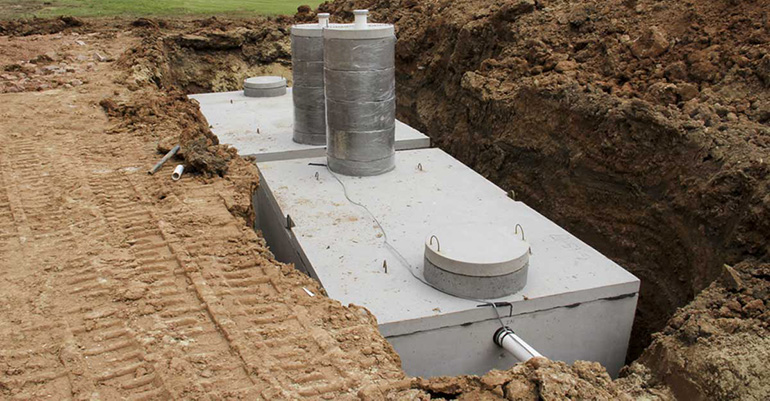
New Jersey Septic System Replacement & Installation – Aiming for Flat-Rate, Always Transparent Pricing
A properly functioning septic system is essential to having a safe place for you and your family to live. If you’re considering replacing or installing your septic system in New Jersey or simply wish to understand more about how to maintain it, it’s critical to understand how these systems function. We’ll give you a broad overview on how septic systems work, how to maintain them, and what to expect from a septic system repair company during this process.
We’ll tell you everything about how to determine whether you may need a new septic system installed, signs to watch for that may indicate you need to replace your septic system, and more.
How Septic Systems Work
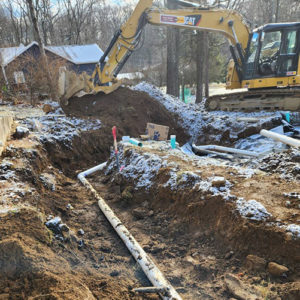 Septic systems have been around for a long time, yet they’re still misunderstood by many homeowners (and soon-to-be homeowners).
To make sure that you don’t need your septic system replaced, it’s critical to understand exactly how septic systems function and why they’re so important to your health and the health of others around you. Let’s take a look at what makes up this complex system and why it’s so important for you and your family to live safely in your home.
A septic system is a system that treats and disposes of wastewater and solids. These systems are typically located partially or entirely underground and consist of a tank and a drainfield. Septic systems are designed to take the wastewater from your home that doesn’t make its way into the sewer and processes it in a way that makes it clean enough to be released back into the environment – without doing damage to the environment.
Septic systems process waste that may include solid materials and liquids. This may include gray water (water from sinks and showers) or black water (water from toilets).
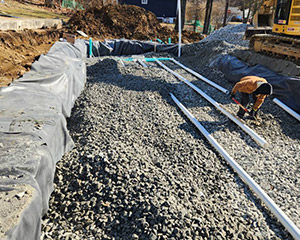
As the liquid enters your septic tank, bacteria break down particles of grease and other organic matter until they become small enough to be carried out by either percolation into a leach field or absorption into an absorbent bed (also known as a drain field). Leach fields carry effluent through pipes buried underground where it disperses into soil where bacteria then break down remaining nutrients. Absorbent beds consist of gravel placed in trenches surrounded by an impermeable barrier such as cement blocks or concrete slabs.
The purpose of the leach field is twofold; first, it allows any impurities left in the water after being treated by the septic tank to drip down into rocks or soil. Secondly, it releases partially purified water into groundwater.
The septic tank is divided into three chambers: a holding chamber for holding the solid waste particles and allowing them time to settle at the bottom of the tank, a clarifying chamber where liquid waste continues to separate, and an overflow chamber where completely cleaned water is stored until it’s ready to be discharged.
A properly functioning septic system is essential to having a safe place for you and your family to live.
Why Septic Systems Are Important
Septic systems are essential because they allow sewage water from homes with no access to municipal sewer lines to be treated before being released it into the environment. They keep those in your home, as well as those in your surrounding environment, safe from waste contamination.
Septic systems prevent untreated waste matter from contaminating soil or groundwater supplies in residential areas, thus protecting public health and safety as well as reducing pollution levels in lakes and rivers downstream from communities where, for example, many people rely on them for drinking water.
Reasons You May Need a Septic System Installed or Replaced in New Jersey
 Many homes on the east coast are older than homes in other parts of the country. Therefore, homes in states like New Jersey may also possess septic systems that are decaying and in need of replacement. It’s often difficult to tell with the naked eye whether you need to replace your septic tank. However, by hiring a company to do a professional NJ septic system inspection, you can determine whether you need a new septic system installed and replaced for your home.
Some reasons that a septic system may need to be installed or replaced include:
- Septic system needs have changed for your home.
- Your septic tank may not be large enough to support the size of your home.
- Your tank may be deteriorated or damaged.
What Should I Know About Septic System Installation and Replacement?
Installing or replacing a septic system is a complex task that may differ from home to home depending on individual needs.
1. The first step in installing a septic system is to assess your property.
Before you hire a company to install a new septic system (or attempt to do so yourself), you must assess your property or ideally have a professional NJ septic system inspector perform an inspection for you. Such an inspection should include assessing the suitability of a septic system, as well as its drainage, soil type, and slope.
Your property must be assessed for its suitability by determining if it has a sufficient slope of at least 2-3% percent to allow wastewater to make its way into the drain field (depending on your particular state). If your lot does not have enough slope, there are other options for disposal of waste such as constructing an underground tank system or using an alternative water source such as rainwater harvesting systems.
Your property should also be assessed for its drainage capabilities, as this can affect how much rainwater drains away from your home instead of being absorbed into the ground around it (which could cause problems). Your septic builder may recommend grading techniques that can help improve drainage on-site so that excess water doesn’t pool up near the house but instead flows off toward natural waterways nearby.
Finally, a specialized engineer will need to be involved to provide an engineered drawing of the new septic system.
2. A septic system requires a lot of planning, and certain parts must be installed in a particular order.
A septic system requires a lot of planning and careful installation. When installing your septic system, there are a few things you should keep in mind. You’ll want to carefully follow the steps laid out by the manufacturer and make sure that everything is installed correctly. If you don’t do this, it could result in an improperly functioning septic tank or drain field.
For example, the drainfield often goes first when it comes to installation. The drainfield is a series of pipes that carry waste water from the septic tank to the soil. It’s usually installed before the septic tank, but it can also be installed after. The drainfield should be installed in ground that has good drainage, which means the soil will allow water to flow through it quickly and easily. This can be achieved by digging out a trench at least 18 inches deep and lining it with gravel or stones before installing pipes in it. The entire system is usually constructed by a professional who is licensed to install such systems, though some homeowners choose do this themselves using materials purchased at their local hardware store or septic supply company.
3. You may need a permit.
If you are installing a new septic system or otherwise drastically changing the nature of a current septic system, your county will require that you have a permit to make these changes. Many county and state governments have regulations governing where and how large septic systems can be installed.
There are some counties in New Jersey that have regulations governing where and how large septic systems can be installed, as well as the depth of these systems. Don’t worry, we know all the regulations and will be able to get you the correct permit and keep your system in compliance for an easy approval.
Be sure to reach out to knowledgable septic experts such as ATS Environmental to ensure you’re doing the right thing for your home and city.
4. A key part of installing a septic system is connecting it to the house.
This one may not come as a surprise, but it’s a critical part of the process nonetheless: connecting your septic system to your house is a big job and should be done by a professional. The process involves digging, trenching and installing pipes. It also requires a permit from your town or city, which can take several weeks to get approved.
5. Septic tanks are typically buried in your yard, so septic system installation requires thorough planning and preparation.
Septic tanks are buried underground, and each home and piece of land is unique. It’s essential that you carefully plan where you’re going to install a septic system before doing so. You will want to ensure that installing a septic system is easy for you or someone else to access the tank if there are any problems with it, or to perform routine checks on it.
A professional should be able to help you determine the best place for your tank based on your yard’s terrain, soil, and drainage patterns. If a professional installs your septic system, they may also offer guidance on its location and placement as part of their service package.
6. If a pipe breaks during septic system replacement, it’s possible for the tank to shift, which could lead to further problems with the new system.
If a pipe breaks during septic system replacement, it’s possible for the septic tank to shift, which could lead to problems with the new system. This can occur if the old pipes are not removed properly and they’re left in place while new pipes are installed.
7. It’s important to choose a team of experienced professionals for your septic system installation or repair project.
Many people think that septic tank installation is a simple procedure, but it is actually quite complex. Installing a septic system requires careful planning and expert knowledge of the many different parts involved in installation. The wrong choice of materials can result in a system that won’t function properly or lasts for only a few years before needing to be replaced.
A professional company, such as ATS Environmental, can provide you with expert advice on how your specific situation should be handled in the most easy and cost-effective manner, including what type of tank would work best for your household and how large it should be. They will also know how to place your tank so that it does not affect the flow of water from nearby bodies such as lakes or rivers, nor the integrity of your yard. Keep in mind that this may require testing certain areas before deciding on where exactly to locate the tank itself.
8. Septic tank levels should be checked every three months to ensure proper functionality.
It’s essential to check septic tank levels every three months to ensure that your system is working properly. If your septic tank fills up too quickly, the system will not have time to process all of the waste in your home naturally. This can cause problems such as foul-smelling water in your home or flooding.
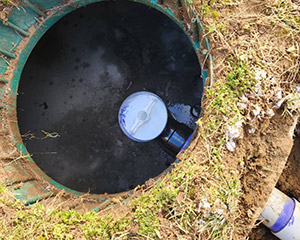
To check your septic tank, first, locate its cover and remove it. The cover may be on top of a concrete slab, in which case you will need to use a crowbar or other tool to pry it up; if there is no concrete slab covering the septic tank, simply lift off any lid on top of it. Once you have removed this lid, you should see two valves—one for releasing gas from inside the tank (known as an “effluent pump”) and one for releasing liquid into your drain field (“drain” valve). If there is no liquid coming out of either valve then everything is functioning properly; however if some amount of liquid does come out, call a professional immediately because there could be issues with this system that need immediate attention.
9. Professional help might be necessary for proper installation.
Working with a trusted septic company is crucial when you’re planning any type of septic system installation or replacement. The best way to ensure that your new septic system will be installed properly is to work with a highly experienced and well-established company, such as ATS Environmental.
Even if you’re an expert with plumbing and electrical work, having professional help can make all the difference when it comes to making sure that every part of your septic system is installed correctly. And even if professionals are on hand during installation, hiring them will ensure that everything gets done right from start to finish
We’ve been serving New Jersey for over 20 years, and we’ve learned quite a bit about how to do it right! When you choose us for your next Septic System Installation or Replacement job, not only can you rest assured that the job will be done correctly—you’ll also enjoy the peace of mind that comes from working with people who have an extensive background in this industry.
FAQ
-
How much do septic system replacements cost?
Homeowners often struggle to get the cost of a new septic system installation or septic replacement without an engineered drawing. Luckily, ATS offers flat-rates on most projects that include required engineering work. Contact us for your free quote.
-
Can I sell my home if I need to replace my septic system?
Some states allow you to sell your home if you need a septic system replacement, while others won’t. Be sure to check with your particular state to determine whether its laws require that you replace your septic system before selling your home.
-
How do I properly maintain a septic system?
Perhaps you’ve already determined that your septic system is healthy and doesn’t need to be replaced or repaired. That’s great! However, it’s wise to continually check up on your septic system through routine inspections to ensure that you’re maintaining the health of your septic system.
ATS Environmental can help you check whether your septic system is healthy, show you how to do maintenance checks on your septic system, and much more.
If you’re interested in installing or replacing your septic system, it’s important to work with a trusted team of professionals. Your home should be your most treasured possession and we want to help ensure that it remains safe and secure for years to come. Call ATS Environmental to understand more about septic system installation and replacement in New Jersey.
-
What is the process to install a new septic system?
A professional septic installation moves through 11 distinct phases:
- Soil testing and percolation tests
- Custom engineering design
- Permit applications
- Property staking
- Excavation of the tank location and drain field trenches
- Tank installation and leveling
- Drain field pipe installation with proper grading
- Distribution box installation
- Backfilling with appropriate materials
- Final health department inspection
- Site restoration with seeding
Once permits are approved, the actual construction typically takes 4-7 days. ATS Environmental will keep you updated throughout the process so you always know what’s happening on your property.
-
How long does it take to install a new septic system in New Jersey?
From your first call to final inspection, expect 4-8 weeks in Northern New Jersey. Here’s the realistic breakdown:
- Weeks 1-2: soil testing and site evaluation
- Weeks 3-4: engineering design
- Weeks 5-6: health department review and permit approval – we handle all of this bureaucracy for you
- Weeks 7-8: septic installation. This includes excavation, tank and drain field installation, all connections, final inspection, and site restoration.
Emergency replacements can sometimes be expedited. Winter weather may extend timelines slightly, but we work year-round.
-
Do I need permits to install or replace a septic system in New Jersey?
Yes, every single septic system installation requires permits from your local health department – Sussex County Health Department, Morris County Department of Health, and so on. You’ll need soil testing results, engineering plans stamped by a licensed engineer, health department approval, local building permits, and well testing if you have a well nearby. The paperwork is substantial, which is why we handle 100% of it for you.
-
What type of septic system is best for my New Jersey property?
It depends on your soil, water table depth, property size, local regulations, and budget. In Northern New Jersey’s clay soils, conventional gravity systems work great if you have adequate soil depth and good drainage. Challenging conditions call for pressure distribution systems, mound systems, sand filter systems, or aerobic treatment units. Our engineering assessment figures out the most cost-effective system that meets New Jersey regulations – no guesswork, no overselling.
-
How do I know what size septic tank I need?
New Jersey bases sizing on bedroom count, not how many people currently live in your home. The standard:
- 3-bedroom home = 1,000-gallon tanks
- 4-bedroom homes = 1,250-gallon tanks
- 5-bedroom homes = 1,500-gallon tanks.
Why bedrooms instead of occupants? Because the next family who buys your home might use all those bedrooms. Garbage disposal use, high water usage, and local requirements can also affect sizing.
-
Where should my septic system be located on my property?
New Jersey has strict setback requirements:
- 10-25 feet from your house
- 50-100 feet from wells
- 10+ feet from property lines
- Installed away from surface waters, steep slopes, and flood-prone areas.
The system needs adequate soil depth above bedrock or the water table, relatively level terrain, areas free from large tree roots, and accessibility for future maintenance. Northern New Jersey’s clay soils and high water tables make placement more challenging than you’d think. We survey your entire property to find the optimal spot that meets all regulations while minimizing costs.
-
What soil conditions require special septic systems in New Jersey?
Northern New Jersey’s soil throws curveballs. Clay soils drain slowly and may require larger drain fields, pressure distribution, or sand fill systems. High water tables – especially common in spring – require mound systems built above ground. Shallow bedrock limits how deep we can dig, requiring specialized designs. Steep slopes need terrace systems or pressure distribution. Properties near lakes or in watershed protection areas may need advanced treatment with nitrogen reduction. We’ve spent 30+ years solving these problems.
-
Can I use my bathrooms during septic installation?
For replacements, there’s typically a 4-8 hour window on installation day when you can’t use any water – no toilets, showers, sinks, dishwashers, or washing machines. We’ll give you advance notice of exactly when this blackout period will occur so you can plan accordingly. Once the new system is connected and we give you the all-clear, you’re back in business.
-
Can I install a septic system in the winter in New Jersey?
Yes, but it requires special considerations. Frozen ground needs additional excavation effort. Concrete tanks may need insulation or heating during curing. Cold weather affects backfill compaction. Permit approvals sometimes take longer in winter. That said, winter installation has advantages: better contractor availability, potentially lower costs due to reduced demand, and completion before the spring construction rush.
-
Can I install my own septic system as a homeowner?
Technically possible in some municipalities, but we strongly advise against it. You still need all permits, engineering plans from a licensed engineer, passing soil percolation tests, meeting all setback requirements, and passing final inspections. Most homeowners lack the equipment – excavators, compactors, laser levels – and the technical knowledge of soil science and hydraulics. More importantly, improper installation can cause immediate system failure, property damage, health hazards, and problems when you sell your home. Professional installation ensures it’s done right the first time.
-
How do I find a reputable septic installation company in Northern NJ?
Look for licensed and insured contractors in New Jersey, licensed engineers on staff or partnered, established local presence (10+ years minimum), positive reviews from recent local projects, and transparent pricing with written estimates. Ask what’s included.
ATS Environmental includes all engineering plans with installations. We’ve maintained 30+ years of local experience and handle all permits and coordination. We provide itemized quotes with no hidden fees and maintain direct relationships with New Jersey health departments.
-
What's included in ATS Environmental's septic installation or replacement service?
Everything. We know that replacing a septic system or installing a new septic system can feel overwhelming, from coordinating contractors, chasing permits, dealing with government agencies. That’s exactly why we built our service to handle every single detail from start to finish: comprehensive soil testing and percolation tests, professional engineering design plans, all permit acquisition and health department coordination, excavation and site preparation, septic tank installation (concrete, plastic, or fiberglass), drain field construction, distribution box installation, all necessary piping and connections, final inspection and certification, and site restoration. You never coordinate between multiple contractors or deal with government agencies yourself. We handle it all.
Related Septic Services & Information

Septic System Repair
A properly maintained septic system is essential to to value of your property and health of your family. Don't leave a problem unaddressed.
Find out more
Septic Tank Removal
ATS Environmental, a leading environmental services company, specializes in septic tank removal and disposal in New Jersey.
Find out more
